Most people don’t fail at dieting during the day.
They fail at 9:30 p.m. — standing in front of the fridge, telling themselves they “deserve something.”
I see this pattern constantly. Someone eats light all day, maybe skips lunch, saves calories for dinner… and then hunger crashes in hard at night. By then, willpower is low. One handful of cereal turns into three. A few crackers become half the sleeve.
The mistake isn’t lack of discipline. It’s poor snack structure.
Trying to eliminate snacks completely often backfires. What works better is planning one intentional, macro-friendly snack that actually keeps you full — instead of grazing on low-protein, low-fiber foods that barely register.
The right snack (high protein + meaningful fiber + controlled fats) can stabilize appetite and shut down the “open pantry loop” before it starts.
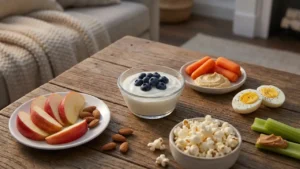
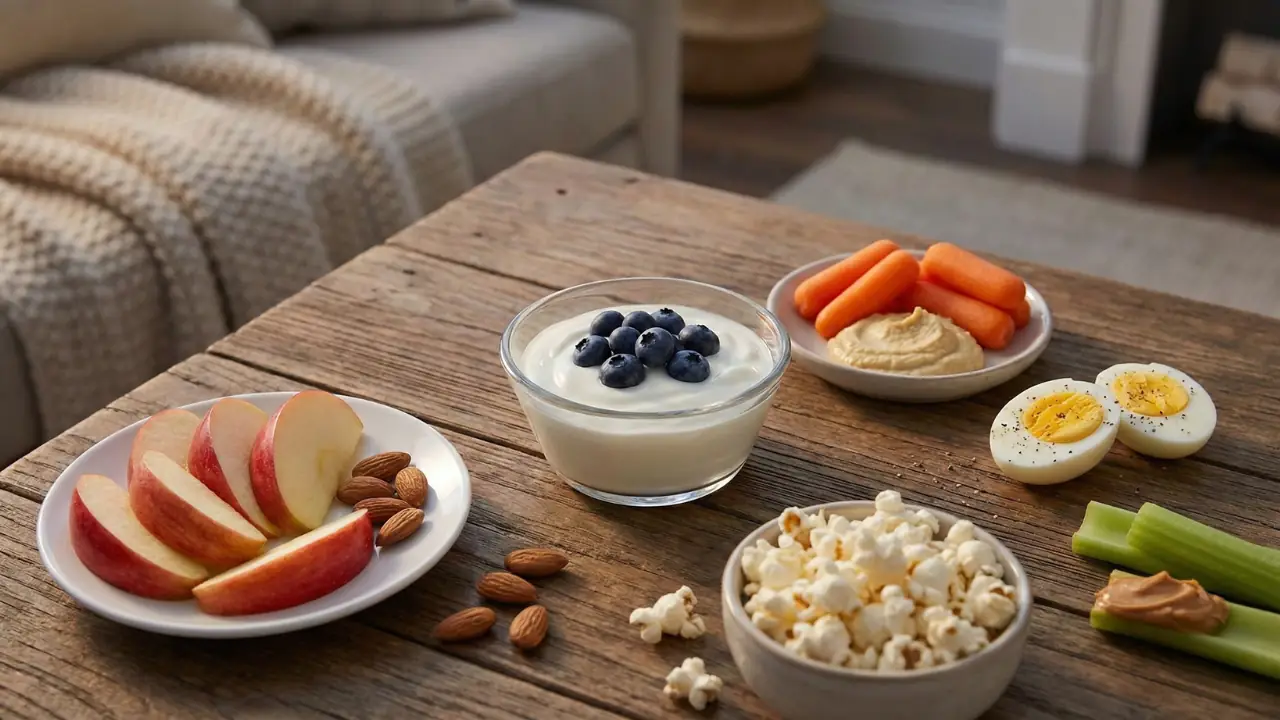
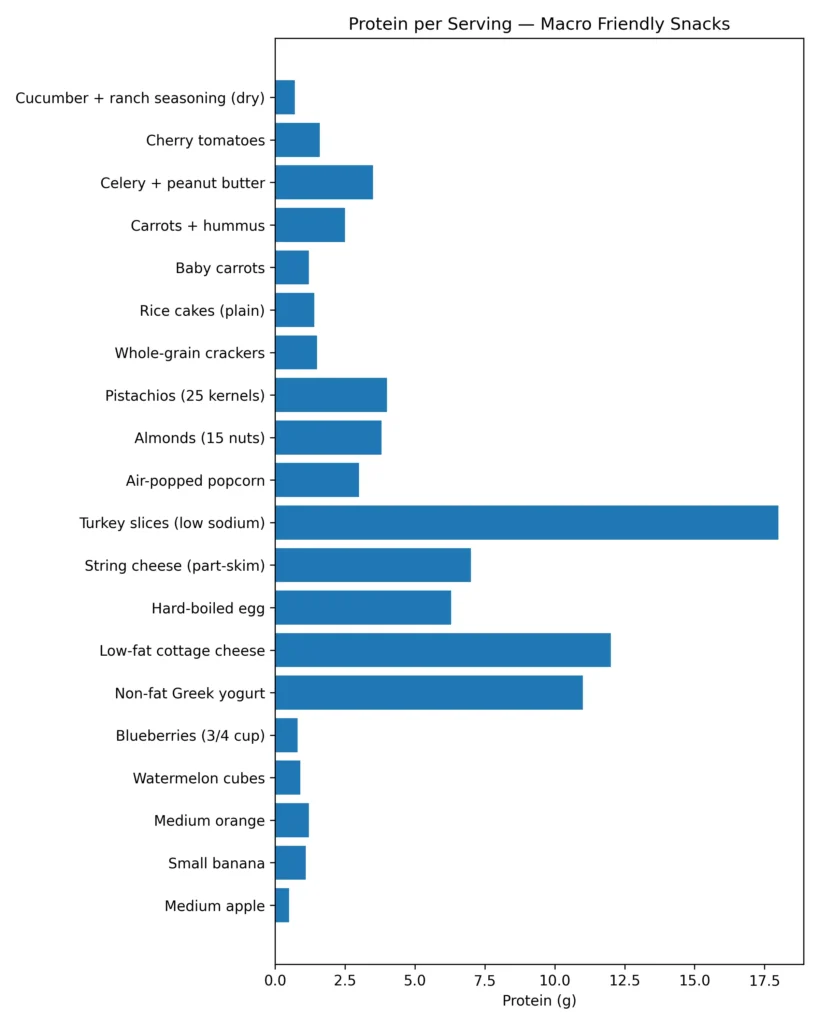
Below are 20 macro friendly snacks under 150 calories. These aren’t trendy. They’re practical, filling, and easy to track — pulled from USDA data and rounded to realistic portions.
Also Read: Counting Macros with Alcohol
Why Pick Macro Friendly Snacks?
Not all 100-calorie snacks behave the same in your body.
A 100-calorie rice cracker pack disappears fast and leaves hunger untouched. A 100-calorie protein-based snack can suppress appetite for hours. That difference matters.
Here’s the hierarchy I use with clients:
1. Protein first (most powerful for satiety)
Protein consistently reduces hunger better than carbs or fat. For evening snacking, aim for 8–15g when possible.
2. Fiber second (volume + blood sugar stability)
Fiber slows digestion and adds stomach stretch. But more isn’t always better — if you already struggle with bloating, very high-fiber snacks at night can feel uncomfortable.
3. Fat is strategic, not dominant
Fat increases fullness, but it’s calorie-dense. Nuts and nut butters work — but portions must be controlled carefully.
Tradeoff: Ultra-low-calorie snacks (like cucumbers alone) may not be satisfying enough. Ultra-high-fat snacks (like handfuls of nuts) can quietly double your calorie target.
The goal isn’t the lowest calories. It’s the highest satiety per calorie.
The 20 Macro Friendly Snacks Under 150 Calories
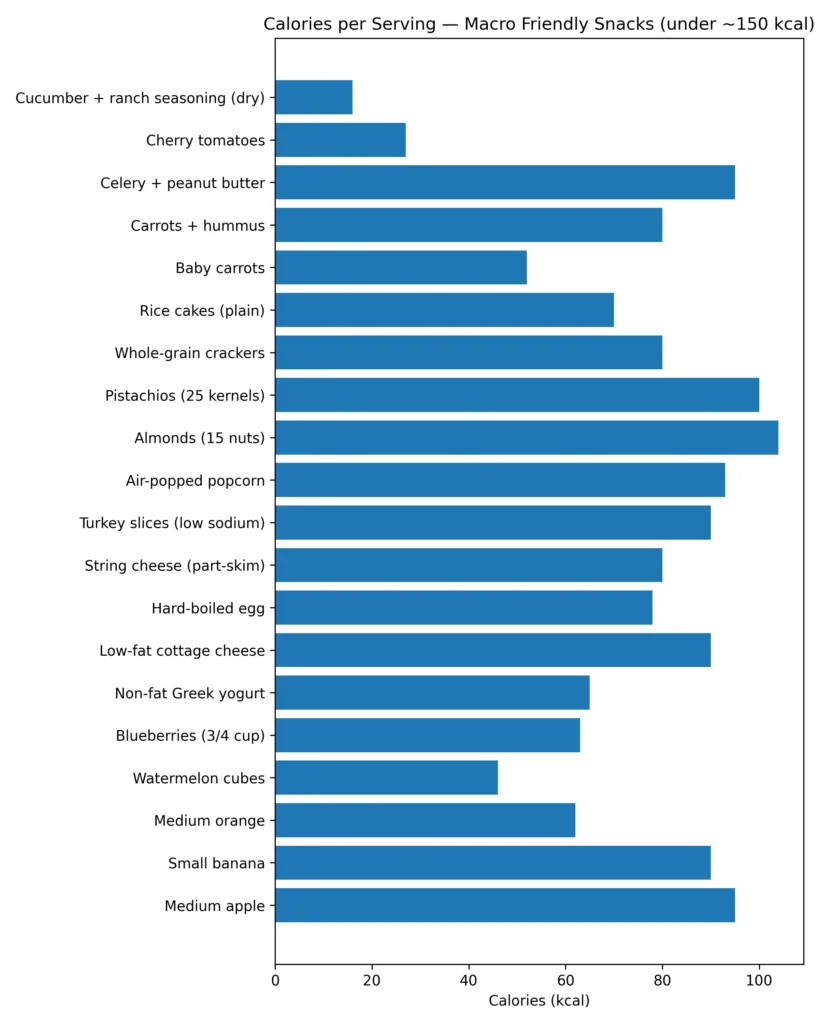
Here is your go-to list. These have been selected because they offer the best combination of volume, protein, and fiber to keep you full on a budget of roughly 150 calories.
Note: Nutritional values are approximate averages based on standard USDA data and may vary slightly by brand or specific produce size.
Medium Apple
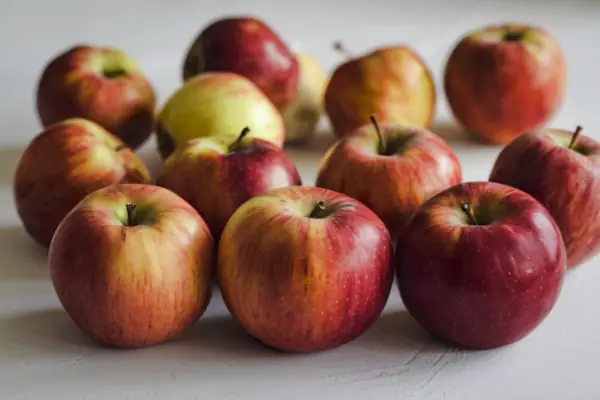
- Serving: 1 medium apple (approx. 182g)
- Calories: 95
- Protein: 0.5g
- Fat: 0.3g
- Carbs: 25g
- Fiber: 4.4g
Reason: High water content and significant pectin fiber make apples incredibly filling for their calorie cost. The crunch is also satisfying.
Small Banana
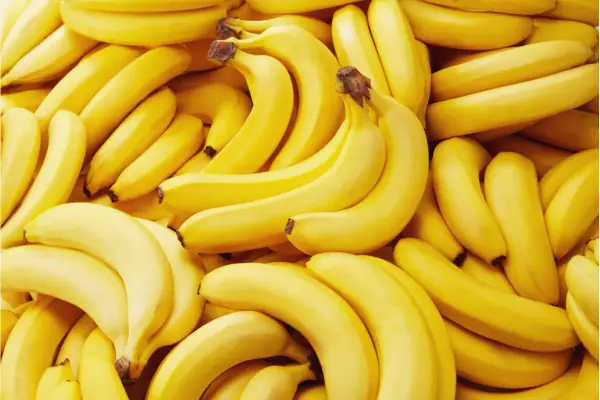
- Serving: 1 small banana (approx. 101g)
- Calories: 90
- Protein: 1.1g
- Fat: 0.3g
- Carbs: 23g
- Fiber: 2.6g
Reason: Nature’s pre-packaged energy bar. Bananas provide quick digestible carbs perfect for a pre-workout boost or a mid-afternoon slump, along with potassium.
Medium Orange
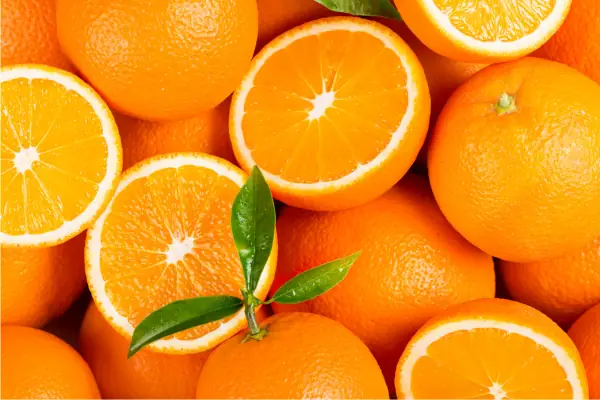
- Serving: 1 medium orange (approx. 130g)
- Calories: 62
- Protein: 1.2g
- Fat: 0.2g
- Carbs: 15g
- Fiber: 3.1g
Reason: Oranges have a high “satiety index” score due to their water and fiber content. Plus, peeling it slows down the eating process.
Watermelon Cubes
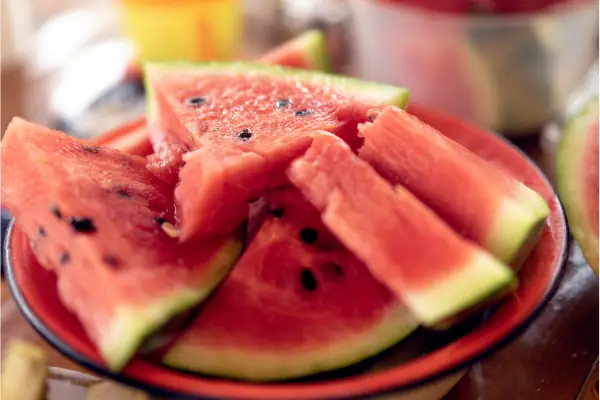
- Serving: 1 cup diced
- Calories: 46
- Protein: 0.9g
- Fat: 0.2g
- Carbs: 11.6g
- Fiber: 0.6g
Reason: Volume, volume, volume. Watermelon is over 90% water, allowing you to eat a physically large amount for very few calories. Great for hydration.
Blueberries
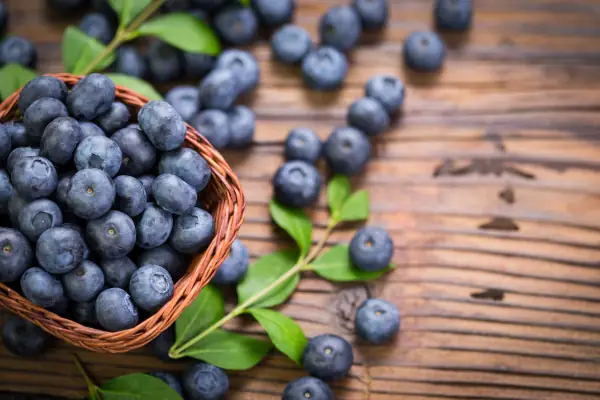
- Serving: ¾ cup
- Calories: 63
- Protein: 0.8g
- Fat: 0.3g
- Carbs: 15.7g
- Fiber: 3.0g
Reason: An antioxidant powerhouse. Berries are lower on the glycemic index than many fruits, offering sustained energy and a good fiber hit.
Non-fat Greek Yogurt (Plain)
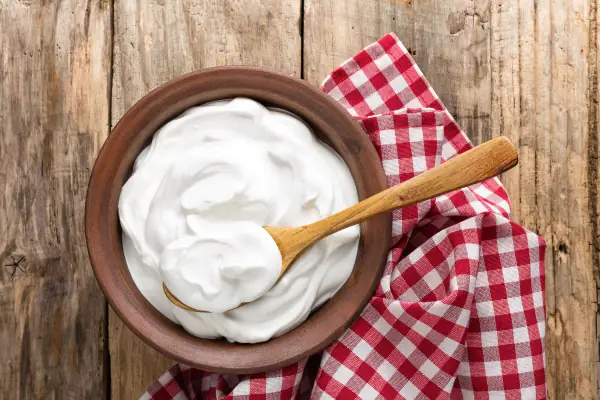
- Serving: ½ cup (approx. 113g)
- Calories: 65
- Protein: 11g
- Fat: 0.0g
- Carbs: 3.5g
- Fiber: 0g
Reason: One of the best protein-to-calorie ratios available. The slow-digesting casein protein keeps you full for hours. Add calorie-free sweetener or cinnamon for flavor.
Low-fat Cottage Cheese
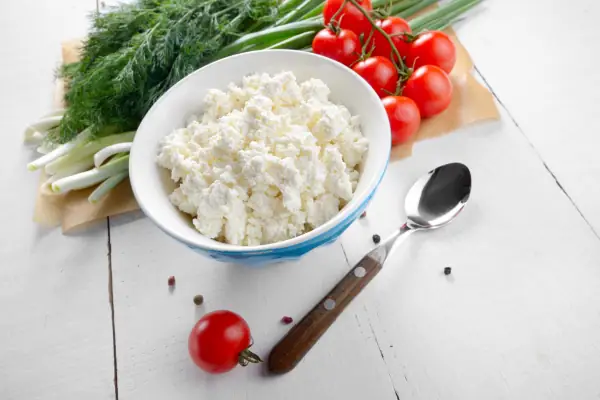
- Serving: ½ cup (113g)
- Calories: 90
- Protein: 12g
- Fat: 2.5g
- Carbs: 3g
- Fiber: 0g
Reason: Similar to Greek yogurt, this is packed with slow-digesting protein. Savory lovers can add cracked pepper and cucumber; sweet lovers can add a few berries.
Hard-Boiled Egg
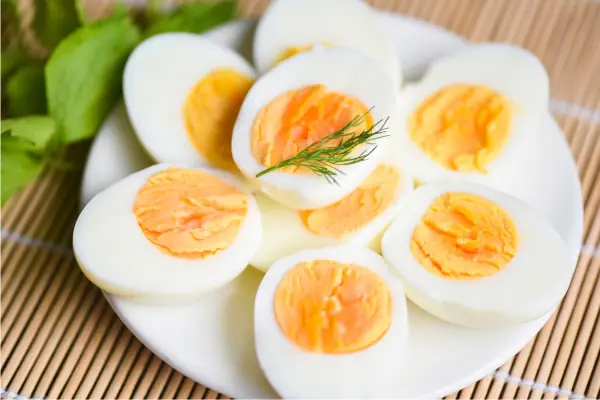
- Serving: 1 large egg
- Calories: 78
- Protein: 6.3g
- Fat: 5.3g
- Carbs: 0.6g
- Fiber: 0g
Reason: The perfect portable snack. It offers a complete amino acid profile and healthy fats in the yolk for lasting satiety.
String Cheese
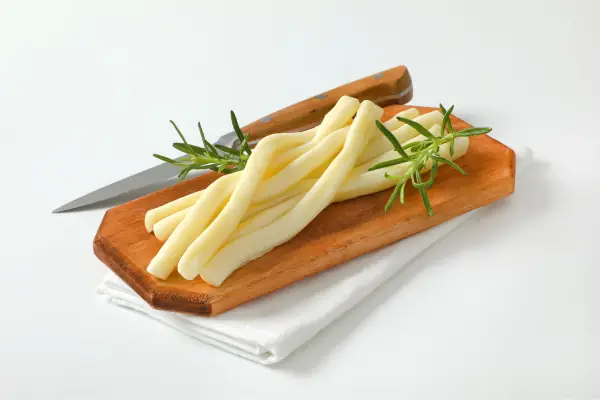
- Serving: 1 stick (part-skim mozzarella)
- Calories: 80
- Protein: 7g
- Fat: 6g
- Carbs: 1g
- Fiber: 0g
Reason: Ideally balanced with nearly equal grams of protein and fat. It’s convenient, pre-portioned, and curbs salty cravings.
Turkey Slices
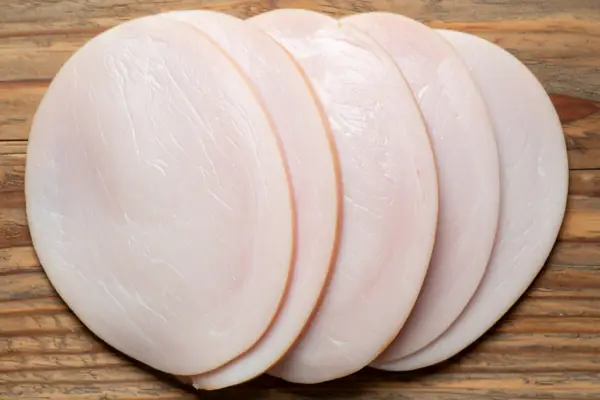
- Serving: 3 oz (deli-style, low sodium)
- Calories: 90
- Protein: 18g
- Fat: 1.5g
- Carbs: 2.0g
- Fiber: 0g
Reason: Pure, lean protein. This snack provides the highest protein count on this list, maximizing the thermic effect of food (calories burned during digestion).
Air-Popped Popcorn
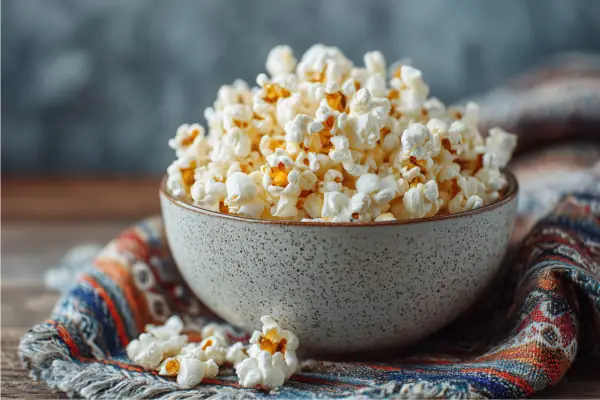
- Serving: 3 cups (plain)
- Calories: 93
- Protein: 3g
- Fat: 1.1g
- Carbs: 18.6g
- Fiber: 3.5g
Reason: A whole grain that offers incredible volume. Three full cups look like a lot of food, tricking your brain into feeling more satisfied.
Almonds
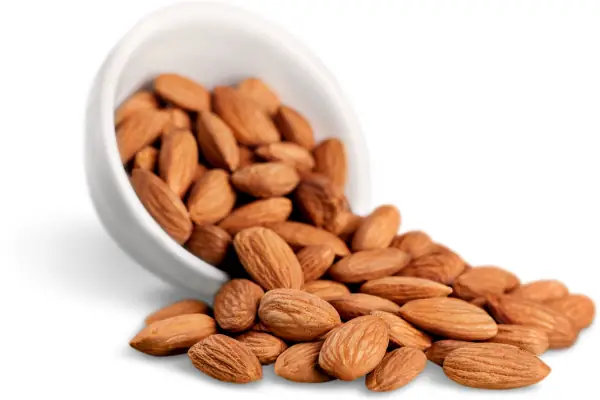
- Serving: 15 nuts (raw or dry roasted)
- Calories: 104
- Protein: 3.8g
- Fat: 9.1g
- Carbs: 3.6g
- Fiber: 1.8g
Reason: A great source of healthy monounsaturated fats and fiber. The fat content slows digestion significantly. Caution: portion control is vital here.
Pistachios
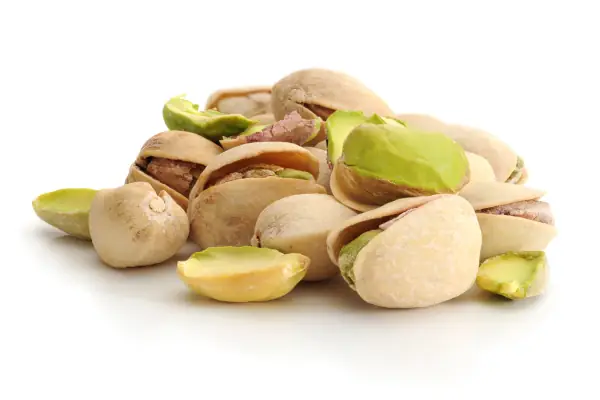
- Serving: 25 kernels (shelled)
- Calories: 100
- Protein: 4g
- Fat: 7.5g
- Carbs: 8.0g
- Fiber: 3.0g
Reason: Buying them in the shell slows down your eating pace, allowing your brain time to register fullness signals.
Whole-Grain Crackers
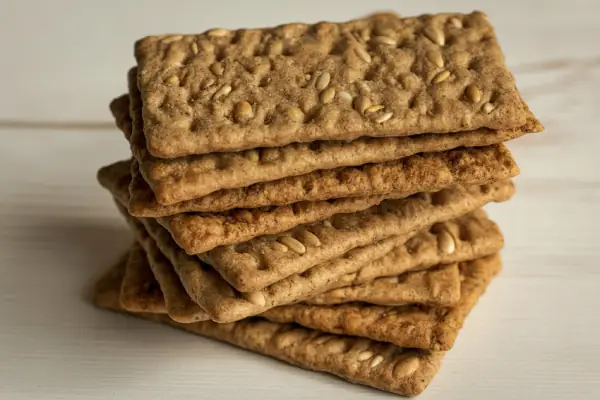
- Serving: 4 small squares (e.g., Triscuit thin crisps)
- Calories: 80
- Protein: 1.5g
- Fat: 3g
- Carbs: 11g
- Fiber: 1.5g
Reason: Provides a complex carb crunch paired with fiber. Much better than refined white flour crackers that spike blood sugar.
Rice Cakes
- Serving: 2 plain cakes
- Calories: 70
- Protein: 1.4g
- Fat: 0.2g
- Carbs: 14g
- Fiber: 0.6g
Reason: Low calorie and crunchy. While low in macros on their own, they are the perfect low-cal vehicle for protein (like a slice of turkey) or fat (a thin smear of avocado).
Baby Carrots
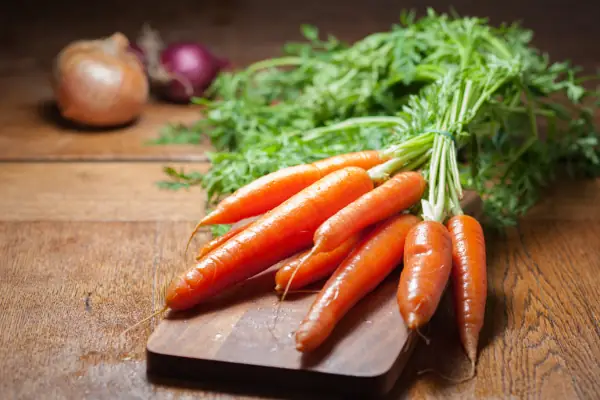
- Serving: 1 cup (approx. 12 medium)
- Calories: 52
- Protein: 1.2g
- Fat: 0.3g
- Carbs: 12.3g
- Fiber: 3.6g
Reason: Satisfying crunch, sweet flavor, high water content, and beta-carotene. You can eat a massive amount without denting your calorie budget.
Carrots + Hummus
- Serving: ½ cup carrots + 2 tbsp classic hummus
- Calories: 80
- Protein: 2.5g
- Fat: 4g
- Carbs: 10g
- Fiber: 3.5g
Reason: The perfect pairing. Carrots provide volume and fiber, while hummus adds healthy fats and a little plant-based protein for staying power.
Celery Sticks + Peanut Butter
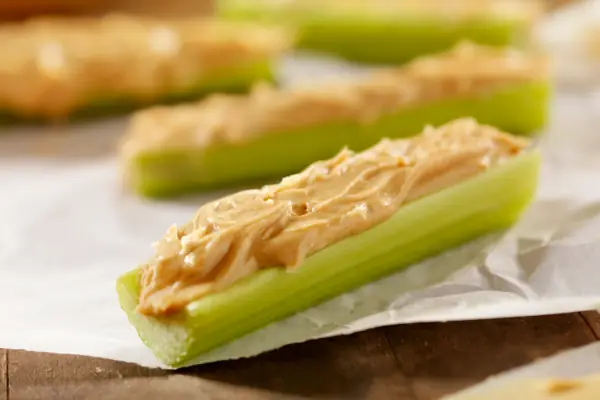
- Serving: 2 large stalks celery + 1 tbsp peanut butter
- Calories: 95
- Protein: 3.5g
- Fat: 8g
- Carbs: 3g
- Fiber: 1g
Reason: Celery is essentially calorie-free water and fiber structure. The tablespoon of peanut butter provides the necessary healthy fats to make it satisfying.
Cherry Tomatoes
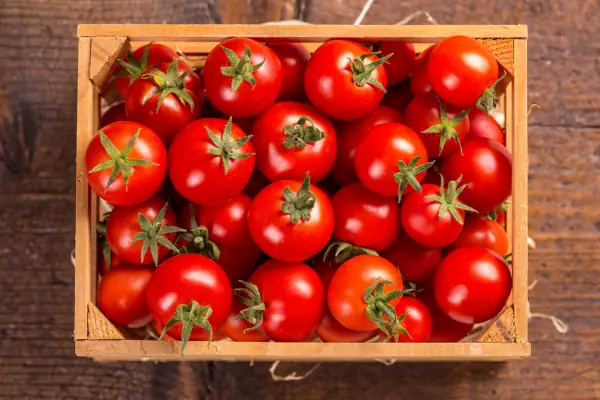
- Serving: 1 cup
- Calories: 27
- Protein: 1.6g
- Fat: 0.3g
- Carbs: 5.8g
- Fiber: 1.8g
Reason: Like watermelon, these are incredibly high volume and low calorie. They offer a savory, juicy “pop” that is great for mindless munching during a movie.
Cucumber Slices + Ranch Seasoning
- Serving: 1 large cucumber sliced + 1 tsp dry ranch seasoning mix (no dressing)
- Calories: 16
- Protein: 0.7g
- Fat: 0.1g
- Carbs: 3.8g
- Fiber: 0.5g
Reason: This mimics the flavor of chips and dip for a fraction of the calories. The cucumber is hydrating and crunchy, and the seasoning provides a savory kick without the fat of prepared dressing.
Reminder: numbers are rounded to practical portions and are pulled from food composition databases for easy macro tracking. Always check labels for packaged items or adjust for larger portions.
Common Night Snacking Mistakes
How to Use These Snacks to Stop Night Snacking
Evaluate changes over 7–14 days — not daily.
Why this method works: combining a planned single snack with protein and fiber raises satiety signals (so you don’t wake up ravenous) and removes the habit cues that keep you grazing. The science behind protein and fiber improving satiety is well-documented.
Also Read:
More Snack Ideas?
Fresh fruit, plain popcorn, raw veggies, canned tuna, jerky (low sugar), and small bean salads are all useful swaps. If you need a bigger carb hit before/after training, dried fruits are a solid option.
Snack Quality is More Important than Calories
A 50 kcal snack that leaves you still hungry is worse than a 125 kcal snack that keeps you full. Focus on macros and volume over obsessing about tiny calorie differences. (Practical tip: protein first, fiber/volume second.)
Frequently Asked Questions
Don’t Snack Unless You Really Need to
For many people, three meals with purposeful portions is enough. Only snack if you truly feel physiological hunger or need to support training. For example, if you’re just bored and reach for coffee shop treats, consider a zero-calorie coffee substitution instead — here’s a helpful coffee calorie guide.
View Sources
- Paddon-Jones D. et al., Protein, weight management, and satiety, American Journal of Clinical Nutrition
- Slavin JL., Dietary fiber and body weight, Nutrition
- Rolls BJ., Dietary energy density and satiety, Physiology & Behavior