Use this BMI Calculator to quickly check your Body Mass Index and see where you fall in standard weight categories. Designed as an adult BMI calculator for men and women, as well as children over 2, this tool gives you a fast screening number you can interpret responsibly.
Current Weight
Height
The first time most people check their BMI, they don’t question the number—they question themselves.
I’ve seen readers panic after landing just one decimal point into “overweight,” while others feel falsely reassured by a “healthy” label despite poor habits and low energy. The problem isn’t the BMI number itself. It’s how easily it gets misunderstood.
BMI was never meant to diagnose health, predict fitness, or define how you should feel about your body. It’s a screening tool—useful in the right context, misleading in the wrong one. When people treat it as a verdict instead of a signal, they either overreact or ignore real risks.
If you’re going to use a BMI Calculator, use it correctly. The number should guide better questions—not trigger panic or false confidence. Below, I’ll show you when BMI matters, when it doesn’t, and how to interpret your result in a way that actually improves your health instead of distracting from it.
Related Fat Loss Calculators
These calculators help estimate calorie needs, macronutrients, and body composition when planning sustainable fat loss. Many people start by estimating daily calorie expenditure using the TDEE Calculator, then determine a realistic calorie reduction with the Calorie Deficit Calculator. Tools like the Macro Calculator and Body Recomposition Calculator help structure protein, carbohydrate, and fat intake, while the Body Fat Percentage Calculator and Ideal Body Weight Calculator help track body composition and healthy weight ranges.
- TDEE Calculator
- Calorie Deficit Calculator
- Macro Calculator
- Body Recomposition Calculator
- Body Fat Percentage Calculator
- Ideal Body Weight Calculator
How BMI Calculator Works?
A BMI Calculator estimates your Body Mass Index using only two inputs: height and weight. The calculation itself is simple. The interpretation is where people get confused.
The same BMI calculator formula applies to men and women because it is based only on height and weight.
BMI formula:
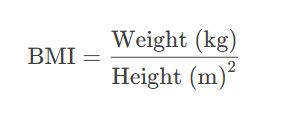
- Metric: BMI = weight (kg) ÷ height² (meters)
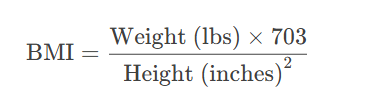
- Imperial: BMI = 703 × weight (pounds) ÷ height² (inches)
Most people search for a BMI calculator in kg and pounds. The formula stays the same—the only difference is unit conversion. The calculator above performs this instantly. But remember: the math is neutral. The meaning depends on context.
BMI does not measure:
- Body fat percentage
- Muscle mass
- Fat distribution
- Metabolic health
It is a screening tool, not a diagnosis.
For most adults, BMI is used as a quick screening method to estimate potential weight-related health risk. It does not confirm disease, body fat percentage, or metabolic status. Doctors use it alongside blood work, waist measurement, and clinical history—not by itself.
That distinction matters more than the number itself.
If you're planning to structure meal timing alongside weight loss habits, our Intermittent Fasting Calculator helps you plan consistent fasting and eating windows.
Understanding Your BMI Result
BMI is a numerical value derived from an individual’s weight and height. It serves as a screening tool to identify potential weight-related health risks:
Quick BMI Category Reference
Many people ask, “What is a healthy BMI?” For most adults, the healthy BMI range is 18.5 to 24.9 according to WHO and CDC guidelines. However, risk depends on more than this number alone.
- Under 18.5 = Underweight
- 18.5–24.9 = Healthy weight
- 25.0–29.9 = Overweight
- 30+ = Obesity
What Is a Healthy BMI?
For most adults, a healthy BMI falls between 18.5 and 24.9. This range is associated with the lowest population-level risk of weight-related disease, though individual risk depends on additional factors.
While BMI doesn’t directly measure body fat, it correlates closely with body fat percentages in most populations. Our BMI Calculator simplifies this process, instantly categorizing your result. However, always consult a healthcare provider for a comprehensive health analysis.
What Do the Body Mass Index (BMI) Categories Mean?
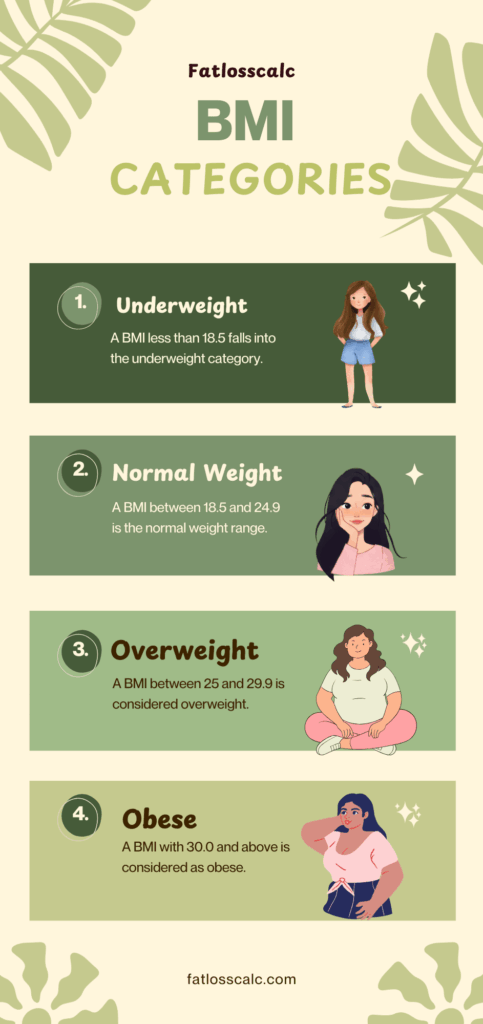
1. Underweight (Below 18.5):
- May indicate insufficient nutrition, high metabolism, or underlying health conditions.
- Risks include weakened immunity, osteoporosis, and anemia.
- Severely low BMI may increase risk of malnutrition, vitamin deficiencies, and impaired immune function.
2. Healthy Weight (18.5–24.9):
- Associated with the lowest risk of weight-related diseases.
- Maintain through balanced nutrition and regular exercise.
3. Overweight (25.0–29.9):
- Suggests excess body weight relative to height.
- Increases risks of hypertension, type 2 diabetes, and joint issues.
4. Obese (30.0+):
- High correlation with cardiovascular disease, stroke, and sleep apnea.
- Requires medical guidance for sustainable weight management.
Obesity Classes:
• Class I: 30–34.9
• Class II: 35–39.9
• Class III: 40+
These classifications are often displayed visually in a BMI chart, but the underlying category thresholds remain the same.
A BMI chart simply visualizes these numerical cutoffs by plotting height against weight, helping users estimate their category without performing manual calculations.
Health Risks Associated With High BMI
A BMI in the overweight or obesity range is associated with increased risk of:
• High blood pressure
• Type 2 diabetes
• Coronary heart disease
• Stroke
• Sleep apnea
• Certain cancers
These associations are based on large population studies and do not guarantee individual outcomes. Risk increases gradually as BMI rises, but individual outcomes depend on lifestyle, genetics, and fat distribution.
Common BMI Mistakes to Avoid
- Treating BMI as a diagnosis.
BMI does not measure body fat, muscle mass, or metabolic health. A high BMI doesn’t automatically mean you’re unhealthy—and a normal BMI doesn’t guarantee you are. - Ignoring body composition.
Strength-trained adults often fall into the “overweight” range despite healthy body fat levels. - Reacting to small changes.
A 0.5–1.0 BMI shift can happen from hydration, sodium intake, or short-term weight fluctuations. This is not meaningful progress or failure. - Using BMI alone for weight loss decisions.
BMI should guide questions, not dictate aggressive dieting or exercise plans.
If you want to structure daily protein, carbohydrate, and fat intake while improving body composition, you can estimate targets using our Macro Calculator.
Judgment call: BMI is most useful for population-level trends and long-term tracking—not day-to-day decisions.
How to Calculate BMI Using a BMI Calculator
Our BMI Calculator automates the math, but understanding the formula builds awareness:
Metric Formula:
Imperial Formula:
For example:
- A 160-pound, 5’7” (67-inch) adult has a BMI of 25.1 (Overweight).
- A 70-kg, 1.75-meter adult has a BMI of 22.9 (Healthy Weight).
Using BMI Responsibly in a Weight Loss Journey
BMI works best as a starting reference, not a goalpost. Before adjusting calorie intake, you can estimate your baseline energy needs using our TDEE Calculator.
If you're planning to reduce body fat, use our Intermittent Fasting Calculator to structure your daily fasting schedule based on your preferred eating window.
- First 30 days:
Use BMI calculator only to establish context. Focus on habits—nutrition quality, movement consistency, and sleep—not rapid weight change. - After 60–90 days:
Look for trends, not precision. A slow BMI decrease alongside improved strength, energy, or waist measurement is often a better sign than fast drops. - When to adjust:
If BMI decreases but strength, mood, or energy worsen, you’re likely losing lean mass. That’s a signal to slow down.
If your goal is losing fat while preserving muscle mass, the Body Recomposition Calculator can help estimate calorie and macro targets designed for body composition changes.
Tradeoff:
Slower weight loss often preserves muscle and metabolic health. Faster loss may improve BMI quickly but comes with higher rebound risk.
Limitations of BMI
While useful, BMI has notable shortcomings:
- Muscle Mass: Athletes may register as overweight/obese due to muscle density.
- Age/Gender: Older adults and women naturally have higher body fat percentages.
- Ethnicity: Asian populations face higher health risks at lower BMIs, while Polynesian groups may be healthier at higher BMIs.
- Fat Distribution: Waist-to-hip ratio better predicts visceral fat (dangerous abdominal fat). BMI should never be used in isolation. Combine it with body composition analyses (DEXA scans, bioelectrical impedance) and medical evaluations.
BMI vs Body Fat Percentage
BMI estimates weight relative to height, while body fat percentage measures actual fat mass. The two correlate in large populations, but they are not interchangeable for individual diagnosis.
For a more precise estimate of body composition, you can use our Body Fat Percentage Calculator.
BMI vs Waist Circumference
Waist circumference often predicts visceral fat risk more accurately than BMI alone. A high BMI with a normal waist may carry different risk than a high BMI with central abdominal fat.
Who Should Rely Least on BMI?
Athletes, older adults, and anyone actively strength training should treat BMI with caution. In these cases, waist circumference, performance metrics, and clinical markers provide more useful insight than BMI alone.
If your BMI suggests excess body weight and your goal is fat loss, our Calorie Deficit Calculator helps estimate the calorie reduction needed for sustainable weight loss.
When to Use This BMI Calculator
Use this BMI Calculator if:
- You want a starting reference point before improving nutrition or exercise.
- You haven’t tracked weight trends before.
- You want a quick screening tool to discuss with your healthcare provider.
Do not use a BMI Calculator as:
- A daily progress tracker.
- A measure of fitness.
- A reason to aggressively diet.
Any accurate BMI Calculator will give the same result because the formula is standardized. The value comes from how you interpret the number—not from the tool itself.
If you choose to use the calculator above, treat it as step one, not the final answer.
Adjustment & Feedback: How Often BMI Should Matter
- Check frequency: Once per month is sufficient.
- Ignore short-term spikes: Less than 1 BMI point change is usually noise.
- Reassess strategy: Every 8–12 weeks, alongside waist size, energy levels, and strength.
If BMI changes but health markers don’t improve, BMI is not the problem—your strategy is.
Practical Next Steps
- Calculate your BMI once, then write it down.
- Measure waist circumference the same day.
- Track habits (not weight) for 30 days.
- Recheck BMI monthly, not weekly.
- Discuss results with a healthcare professional if BMI remains high or low despite healthy habits.
Conclusion: What a BMI Calculator Can — and Cannot — Tell You
A BMI Calculator is useful for identifying potential weight-related risk at a population level. It becomes less useful when used in isolation or obsessively tracked.
If your BMI is high but your strength, labs, and waist measurement are improving, the number alone may not be the priority.
If your BMI is in range but energy, blood pressure, or blood sugar are worsening, the number may be falsely reassuring.
The goal is not to “fix” a BMI score. The goal is to improve long-term health markers.
Use the BMI Calculator above to get your baseline. Then focus on behaviors you can sustain for years—not weeks.
Ready to Check Your BMI?
If you haven’t checked your BMI yet, you can use the BMI Calculator above to establish a baseline. Then revisit it in 30 days to evaluate trends—not daily fluctuations.
Related Nutrition Calculators
Nutrition planning works best when calorie intake, macronutrient targets, and body composition metrics are considered together. The TDEE Calculator estimates daily calorie expenditure, while the Calorie Deficit Calculator helps determine a sustainable fat-loss target. Tools like the Macro Calculator, Intermittent Fasting Calculator, and Body Recomposition Calculator help structure protein, carbohydrate, and fat intake using different dietary strategies.
Popular Fat Loss Calculators
- TDEE Calculator
- Calorie Deficit Calculator
- Macro Calculator
- Body Recomposition Calculator
- Body Fat Percentage Calculator
- Ideal Body Weight Calculator
- Intermittent Fasting Calculator
Frequently Asked Questions

View Sources
- BMI Classification: World Health Organization (WHO). Link
- Luke, A. Ethnicity and the BMI–body fat relationship. British Journal of Nutrition (2009), 102, 485-487.