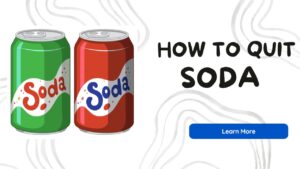
Learning how to quit soda is usually harder than people expect because the habit is tied to routines, cravings, caffeine, and convenience. The good news is that most people do not need extreme detox plans to make progress. Small changes like reducing portions, replacing soda gradually, and adjusting daily habits can make quitting soda feel much more manageable over time.
Also Read: Top 15 Healthy Carb, Protein, and Fat Rich Foods
Quick Answer: How to Quit Soda
The easiest way to quit soda is usually to reduce it gradually while replacing the habit with better alternatives. My go-to approach is to drink water before soda, reduce soda slowly, and swap in sparkling water. This is usually easier than trying to stop drinking soda overnight. Shrinking your serving size and keeping a better drink ready at night can also help. If your soda has caffeine, taper that part too, or you may get headaches and feel off for a few days.
If you are trying to cut out night snacking, this matters even more. Soda is usually tied to a routine, like couch time, TV time, and something sweet to sip. Some people also notice these cravings improve when they create more structured eating windows with intermittent fasting. Research from the CDC shows that sugary drinks are one of the biggest sources of added sugar in the American diet, which is part of why small drink changes can have a bigger impact than people expect.
Why Soda Is Such a Sticky Habit
Soda is sneaky because it rarely feels like a “big” food choice. It feels like a drink. I noticed this myself when I stopped tracking soda as a “treat” and started counting it as part of my daily food intake. Tracking overall food intake and macros can make hidden liquid calories much easier to notice. The habit suddenly looked much bigger.
But sugary drinks are a major source of added sugar in the American diet, and frequent intake is linked with weight gain, type 2 diabetes, heart disease, tooth decay, and other problems. A single regular soda can contain well over 100 calories and a large amount of added sugar without doing much to reduce hunger afterward. That is exactly why cutting soda can make such a noticeable difference without changing your whole life overnight.
For some people, soda addiction is less about physical hunger and more about routine, convenience, and automatic daily habits.
From a coaching point of view, soda is also a trigger. For a lot of people, the real issue is not the drink itself. It is the moment attached to it. You do not just “want soda.” You want the feeling that comes with it. That is why the best quitting plan usually works on the routine first.
The Pre-Soda Water Chug
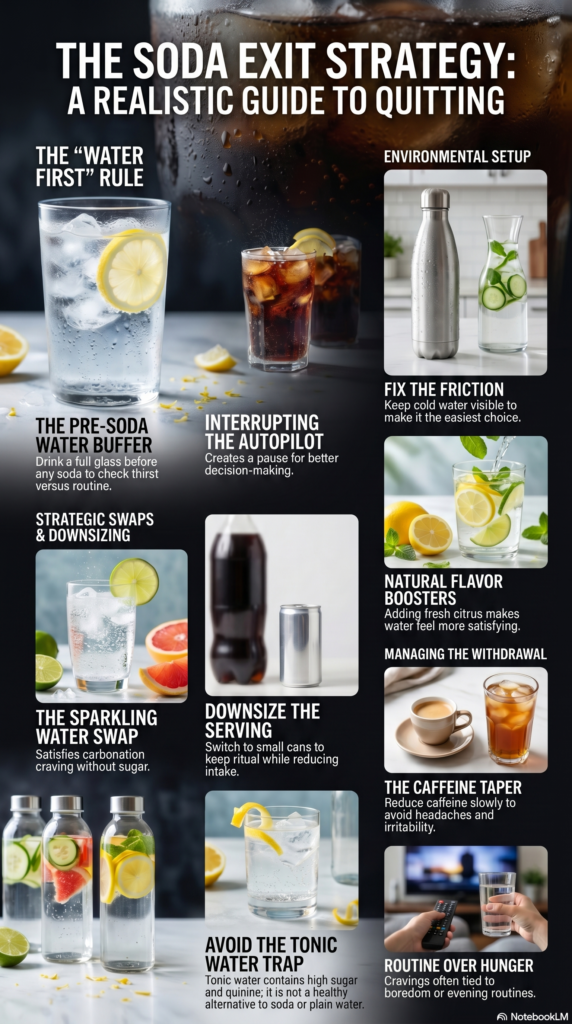
This is the simplest method and honestly one of the best. Before you drink soda, drink a full glass of water first. Sometimes the craving is more about thirst and routine than an actual need for something sweet. Eating enough protein throughout the day can also help reduce the constant urge to snack or drink calories. That one small move helps in two ways. First, it checks whether you are actually thirsty. Second, it slows the whole thing down, which makes soda less automatic.
I like this method because it does not feel like punishment. You are not banning soda. You are creating a pause. And that pause is where better choices happen. If your soda habit shows up at night, this is extra useful because a lot of “snack cravings” are really just thirst, boredom, or a need for a ritual.
The fix is simple. Keep a cold glass or bottle of water near you before dinner, and make the water the first thing you reach for after a meal. If you still want soda after that, fine. The point is to interrupt the autopilot.
The Slow Wean
If you are someone who likes structure, this method may work best for you. Instead of quitting soda all at once, reduce it step by step. Track how much you drink in a normal week, then cut back a little at a time. Even reducing one soda per day can noticeably lower weekly calorie intake over time. This works especially well for people who respond well to tracking and a little self-awareness. That is a lot easier for many people than going from “daily soda” to “none” on Monday morning. It also gives you real data, which makes the habit harder to ignore.
Here is why I like the slow wean for night snacking. A lot of people use soda as their “end of day reward.” If you cut it too fast, the brain often looks for another reward, and snack cravings can jump in. A slower cutback gives you time to replace the routine instead of just removing it.
Try this: keep your normal soda habit for a few days and notice when it happens. Then reduce by one serving every few days or once a week. Small wins add up fast. The goal is progress you can actually repeat.
One simple way to track progress is to notice whether your cravings are getting shorter or less automatic after 1–2 weeks. Most people do not suddenly stop wanting soda overnight. What usually changes first is how often the craving shows up.
The Sparkling Water Connoisseur
This is one of my favorite swaps because it respects the real reason people drink soda. They do not always want sugar. Sometimes they want the fizz, the cold can, the feeling of sipping something “special.” Sparkling water can scratch that itch without keeping you stuck in the soda cycle. Sparkling water with citrus can make the transition feel more realistic and easier to stick with long term.
That matters for night snacking too. When the evening craving hits, your brain often wants a treat, not a nutrition lecture. Sparkling water still gives you something to sip and enjoy. For many people, the carbonation matters more than the sweetness. Pour it into a nice glass, add ice, maybe a squeeze of lime, and make it feel like a real swap instead of a sad backup plan.
This is also where people often make the mistake of thinking, “It has to taste like soda or it will not work.” Not true. It just has to feel satisfying enough that you will actually reach for it again tomorrow.
The Gourmet Can Drinker
Sometimes the best move is not to quit the can, just downsize it. If you usually drink a big soda, move to a smaller one. This is a useful bridge strategy because it keeps the ritual intact while quietly lowering how much sugar and caffeine you are taking in. That is a real win, especially if cold drinks in a can are part of your daily comfort routine. For some people, part of the habit is the cold can itself, not just the soda.
I use this method with clients who are not ready for a full stop yet. Why? Because “less” is still a step in the right direction. People often do better when the change feels manageable. You can always keep shrinking the portion later.
For night snacking, this works well if your soda habit is tied to dessert. A smaller can makes the whole pattern less heavy, and sometimes that is enough to stop the second round of snacks from happening.
The Self-Starting Experimenter
This one is for people who need a fresh setup at home. A lot of soda drinking is environmental. If the only thing available is a boring tap water glass, soda wins. That is not a character flaw. It is just a weak setup. So fix the setup.
Keep cold water ready. Use ice. Add lemon or lime. Use a bottle you actually like. Lime works especially well because it gives plain water a sharper flavor without adding much sugar. Put the better drink where you can see it.
This method is especially good for the night-snacking crowd because evenings are where habits usually get sloppy. When you are tired, you go with the easiest option. So make the easiest option the one you actually want.
If you need a little structure, try a one-week experiment. Keep soda out of reach for seven days and make your replacement drink easy to grab. That short test tells you a lot about your real habits.
Don’t Forget the Caffeine
This part matters more than people expect. If your soda has caffeine, quitting can come with withdrawal symptoms. Caffeine withdrawal can cause headaches, fatigue, irritability, nausea, and trouble concentrating, especially if you stop suddenly after regular use.
That is why some people think, “I failed at quitting soda,” when really they just hit a normal caffeine crash. A common mistake is cutting both sugar and caffeine at the exact same time. That combination can make fatigue and headaches feel much worse than they actually are, which is why gradual reduction is usually easier to sustain.
The fix is not to panic. The fix is to taper more slowly. If you usually drink caffeinated soda every day, start by reducing the amount or moving it earlier in the day. That way your evenings feel calmer and your sleep gets less disrupted.
This can also help with late-night snacking. Once caffeine is out of the picture or reduced earlier in the day, some people feel less wired at night and more able to tell the difference between real hunger and old habit.
Tonic Water Is Not Healthy
Cutting soda alone does not automatically guarantee weight loss, but it often makes calorie control easier without feeling as restrictive as extreme dieting. Many people use a calorie deficit calculator to understand how drinks and snacks affect their overall intake. Understanding your daily calorie needs with a TDEE calculator can help put those drink choices into perspective.
A lot of people think tonic water is a clever swap because it sounds more grown-up or more “healthy” than soda. It is not. Tonic water still contains sugar in many cases, so it is not automatically a healthier replacement for soda. And quinine, the ingredient that gives tonic water its bitter taste, can cause side effects and may lead to low blood sugar in some cases.
Also Read: Body Recomposition vs Cutting: Which Fat Loss Method Is Right For You?
Tonic water is still closer to soda than plain water in many cases. It may seem lighter than soda, but it is still far from plain water. If you want the fizz, choose sparkling water or seltzer instead. That is the cleaner move.
One thing people underestimate is how social soda habits can be. Restaurants, movie nights, road trips, and fast-food meals all reinforce the routine. That does not mean you failed if cravings show up again in those situations. It usually means the environment still needs a replacement plan.
Frequently Asked Questions
Conclusion
If you want to quit soda for good, do not make it a dramatic personality test. Make it a habit swap. Drink water first. Reduce soda slowly if needed. Use sparkling water when you want fizz. Shrink the can if that helps. Set up your kitchen so the better choice is easy. And do not ignore caffeine if your soda habit depends on it.
For night snacking, this is especially powerful because soda often sits right in the middle of the evening routine. Change the drink, and you start changing the whole pattern around it. That is where the real progress happens.